English
 Germany


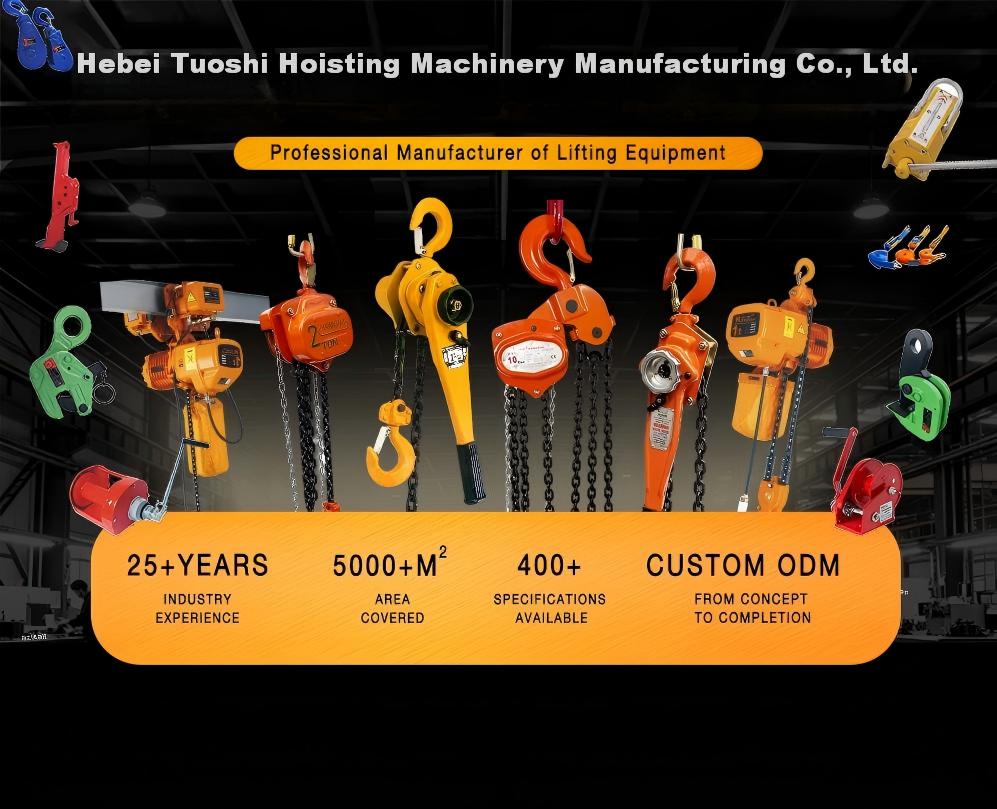
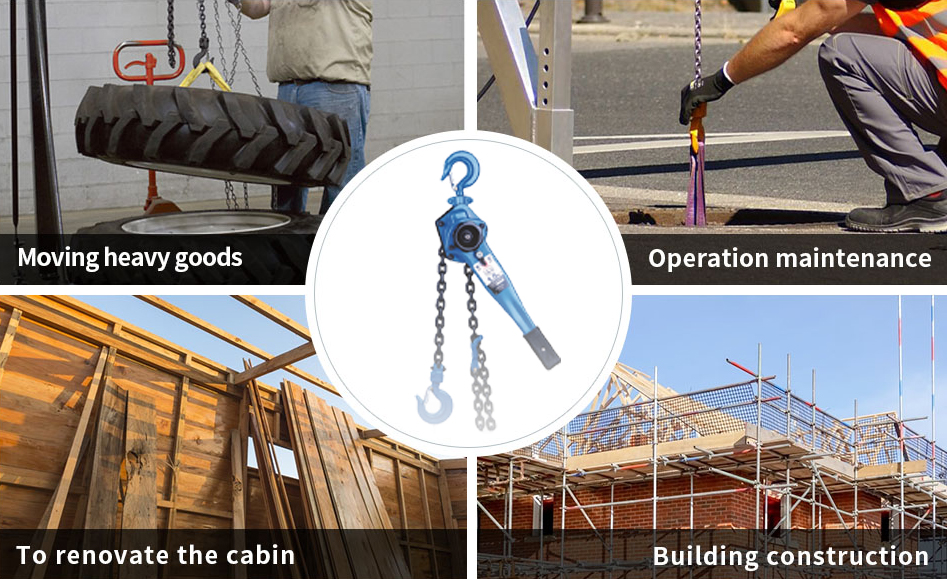


In today's highly electrified and automated world, why do manual lifting tools remain indispensable in industrial settings worldwide? The answer lies in the unparalleled portability, precise control, and robust adaptability of Lever Hoists to environments without power.
Whether assembling and welding in the cramped compartments of shipbuilding, tightening conductors on remote power lines, or performing precise positioning during wind farm maintenance, lever hoists play a crucial role. This article will take you deeper into the core value and technological evolution of this "precision hand tool."
1. Core Working Principle and Product Definition
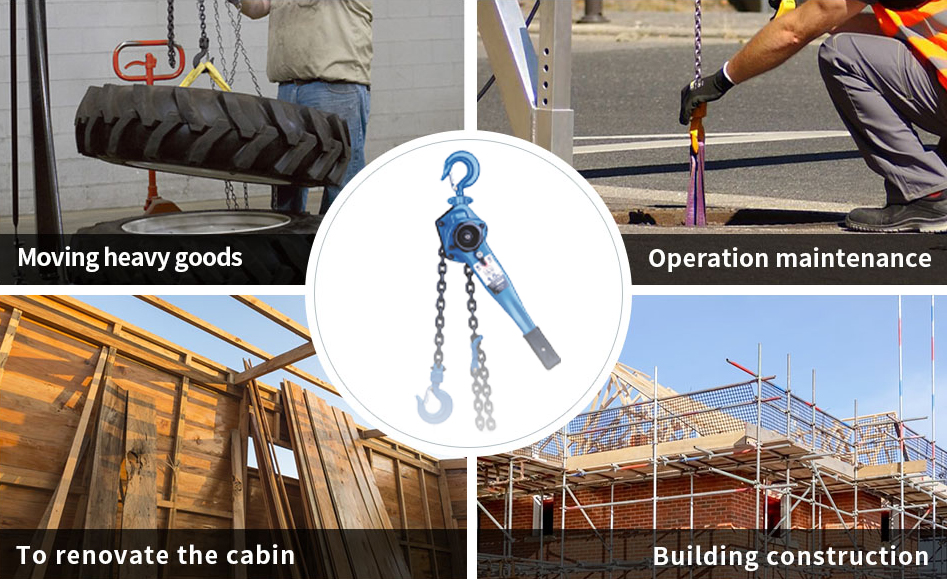
A lever hoist, also known as a chain lever hoist or ratchet hoist, is a manually operated lifting device that uses a lever to drive a chain, thereby lifting, pulling, and positioning heavy objects. It employs a highly efficient gear transmission system and a specially treated alloy lifting chain, resulting in an extremely compact structure.
Unlike electric hoists, the core advantage of lever hoists lies in their lack of power dependence and micro-motion control. The operator can achieve millimeter-level movement of the load or constant tension maintenance through the reciprocating motion of the handle, a precision unmatched by many electric devices.
2. Core Product Features and Technical Specifications
Modern lever hoists are designed with the stringent requirements of industrial use in mind, featuring the following key characteristics:
Safety Redundancy Design: The product comes standard with a double pawl braking system, ensuring reliable locking under load. High-quality hoist hooks can typically withstand 150% of their rated load without permanent deformation, and some key components are even made of structural steel and treated with powder coating or anti-corrosion coating.
Full Gear Drive and Durability: High-quality lever hoists have bearings or bushings at all gear and shaft rotation points, resulting in high transmission efficiency and durability. Internal self-lubricating materials effectively improve reliability in harsh environments such as dust and humidity.
Wide Range of Specifications: Currently, the mainstream lever hoists on the market typically cover a load range from 0.75 tons to 9 tons, and lifting height can be customized according to user needs via chain length. For example, 0.75-ton lightweight hoists are ideal for equipment alignment, while 6-ton to 9-ton heavy-duty hoists are widely used in bridge construction and heavy machinery installation.
3. Technological Innovation and Future Trends
With the improvement of global industrial safety standards (such as ANSI/ASME and CE certification), the lever hoist industry is undergoing an upgrade towards "intelligentization" and "humanization."
Material Innovation: More and more manufacturers are introducing high-strength aluminum alloy bodies, significantly reducing product weight while ensuring load capacity and reducing operator fatigue.
Ergonomic Design: Anti-slip handles, low-operation-force ratchet mechanisms, and compact body designs make operation in confined spaces easier and safer.
Digital Tracking Technology: Some high-end models are beginning to integrate RFID tags or QR code systems, facilitating equipment inspection, maintenance records, and full lifecycle asset management for enterprises.
4. Conclusion
As a versatile tool in the manual lifting field, lever hoists continue to play an irreplaceable role in the construction, energy, logistics, and manufacturing sectors due to their reliability, accuracy, and portability. Choosing a lever hoist that meets international safety standards, is made of high-quality alloy materials, and has a complete braking system is the best investment for operational safety and efficiency.